HOLE AND CORNER
Various articles and photographs for the craft and design publication.
GLEBE HOUSE
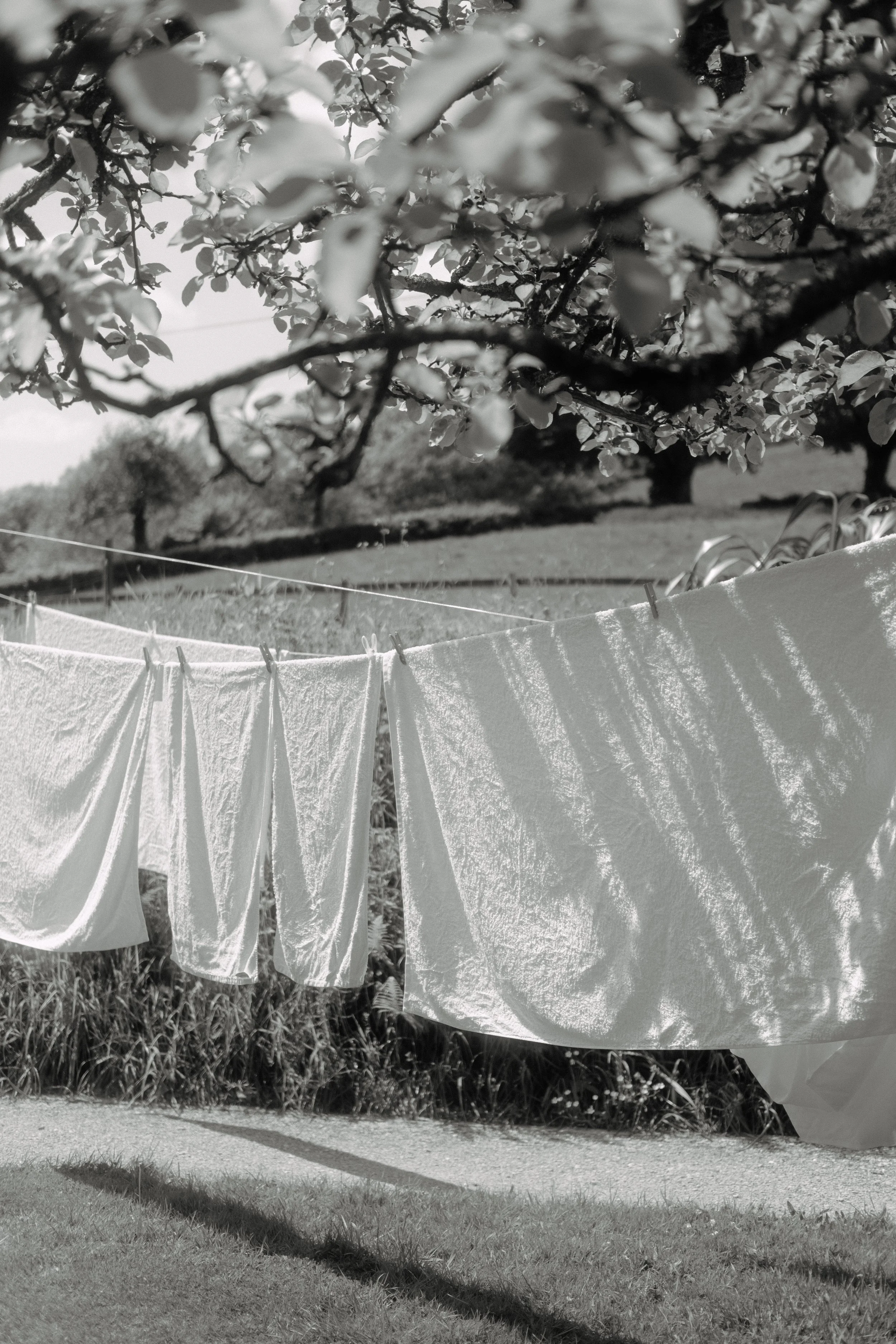
Nestled into Devon’s Coly Valley, reached by winding roads and perched on top of a hill, you’ll find Glebe House. A Georgian former vicarage, small holding, family home, and now lovingly converted into a guesthouse. After having spent some time in Italy, Hugo, a chef, and his wife Olive, an artist, decided to purchase Hugo’s childhood home from his parents and slowly and intentionally craft their own version of an Italian agriturismo in the Devon countryside.The exterior, white-washed, walls are covered in plants and lined with wild flower-beds. A glass facade brings the outside in, framing the undulating landscape, unobscured bar the occasional inquisitive cow that wanders up to the fence. Inside, the six bedrooms and communal spaces are boldly colourful; heavily patterned and adorned with paintings. The interiors, designed by Studio Alexandra, draw inspiration from the playfulness and informality of Charleston House.
At the centre of it all though, there is the food. A celebration of craft cooking and artisanal techniques, the kitchen is overseen by Hugo (formerly of The Marksman and Sorella in London) and backed up by head chef Sam Lomas (formerly River Cottage). From the sea salt and chocolate cookie left in your room on arrival, to the softest, freshly made porridge bread, smothered with homemade butter; the food at Glebe House is perfectly unpretentious. As well as the delicious meals cooked from scratch in the kitchen, Hugo and Olive have curated a series of sustainably-minded events ‘to nurture the soul, impart knowledge from their day-to-day workings in the kitchen and to connect people and places’.
BULL INN, TOTNES
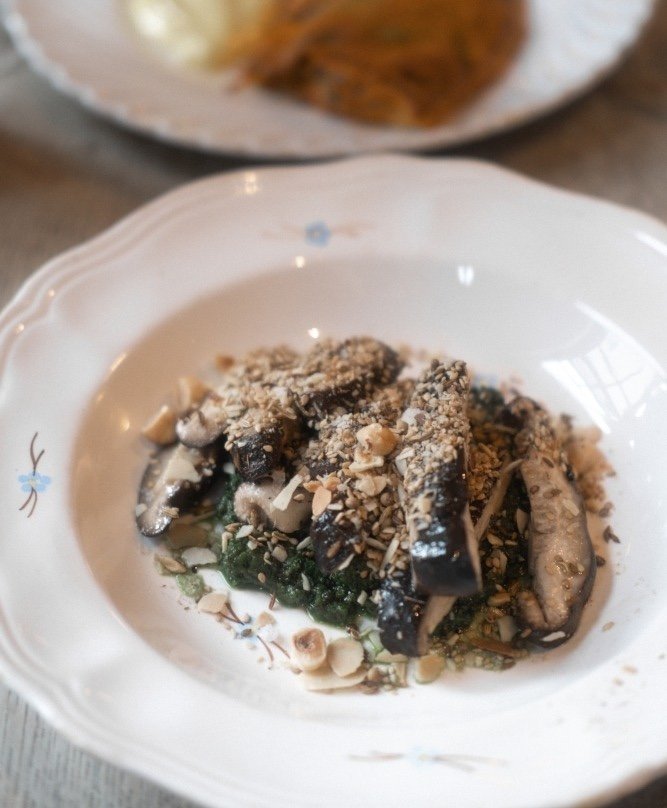
‘For me, Devon in the summer is Shangri-La’ grins Phillipa Hughes, managing director of The Bull Inn, Totnes. ‘It’s just heaven. You have this absolute plethora of local growing and abundance’ she says, painting a picture of her favourite season at the organic pub. As tomatoes grow heavy and plump, ‘the pollen from the plants falls onto the stem, creating a viscous sticky substance’, which last summer the kitchen turned into the most amazing tomato oil. ‘Sitting outside and dipping fresh bread into the oil with a squeeze of lemon and drinking a cocktail with the sun on my face — it felt like the Garden of Eden.’
At the top of Totnes high street just above the winding river Dart, is where you’ll find this particular Garden of Eden. A pink and lime-washed pillar of the community that serves delicious organic and locally sourced seasonal food. Managing to remain simultaneously down-to-earth and radically progressive, this ethical pub wants you to leave with both a full belly and the knowledge that ‘you don’t have to sacrifice anything to do the right thing’.
MALTA AT THE LONDON DESIGN BIENNALE
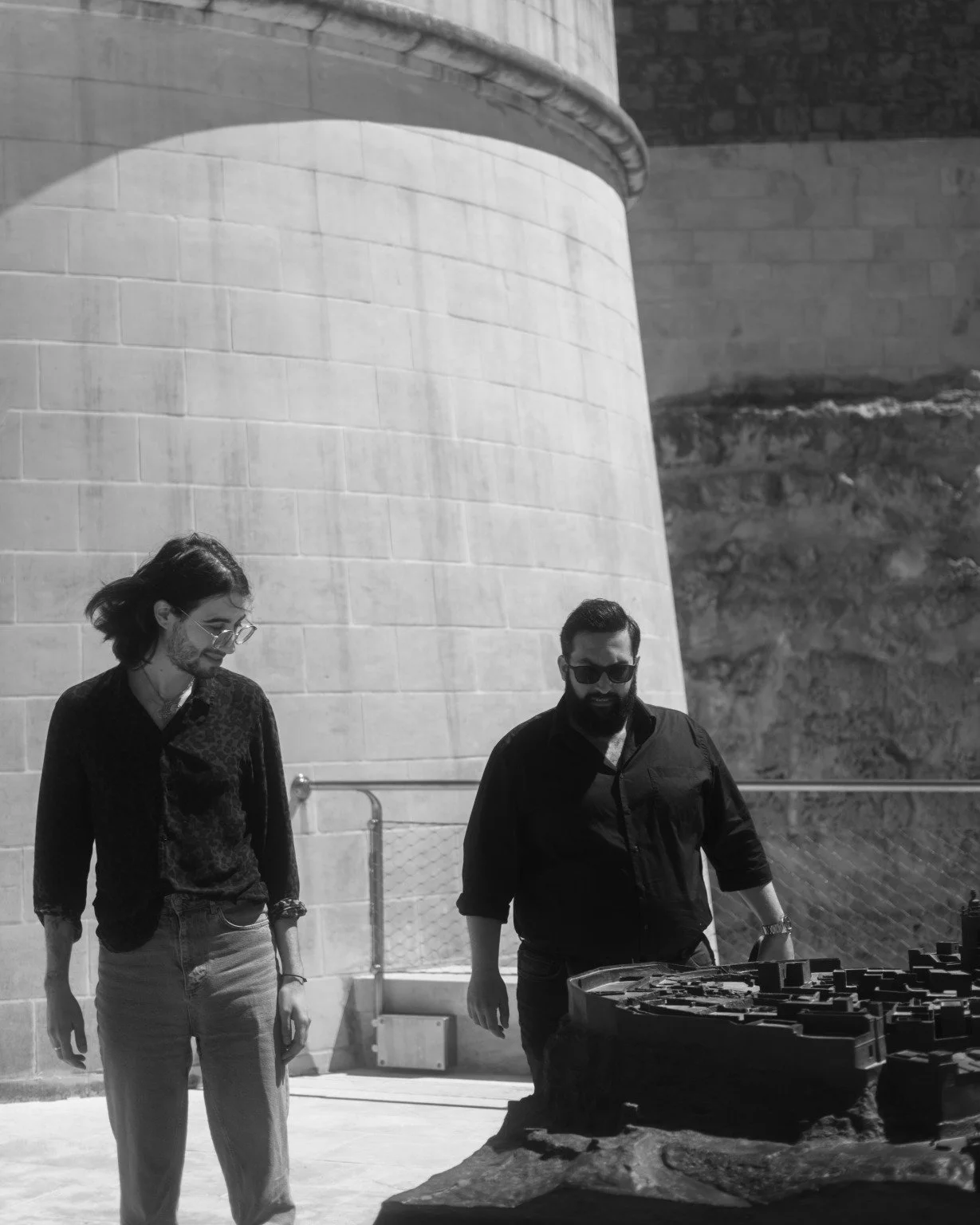
It’s late in the afternoon, nearing the end of April. We are gathered underneath the branches of olive trees, slightly dazed and slow after soaking up the last of the Maltese sun and wine before we set off home. A few warm raindrops fall as Matthew Joseph Casha, one of the architects responsible for this year’s Maltese Pavilion for the London Design Biennale, explains how the upcoming exhibition, Urban Fabric, will be left completely exposed to the elements.
So as summer unfolds in London this year, so too will metres of fabric in a kaleidoscope of purple hues in Malta’s debut contribution to this year’s London Design Biennale at Somerset House. The theme, The Global Game: Remapping Collaboration, sees more than 40 designers from around the world showing how, as president and co-founder Sir John Sorrell says, design and innovation can solve some of the world’s biggest problems. For their first participation in the event, the team of designers and architects from Malta will bring an installation that draws on the layout of a traditional Maltese village and is inspired by the ancient practice of using Murex sea snails in Phoenician-Maltese fabric dying.
INTERVIEW WITH TEXTILE DESIGNER ADRIANA MEUNIÉ
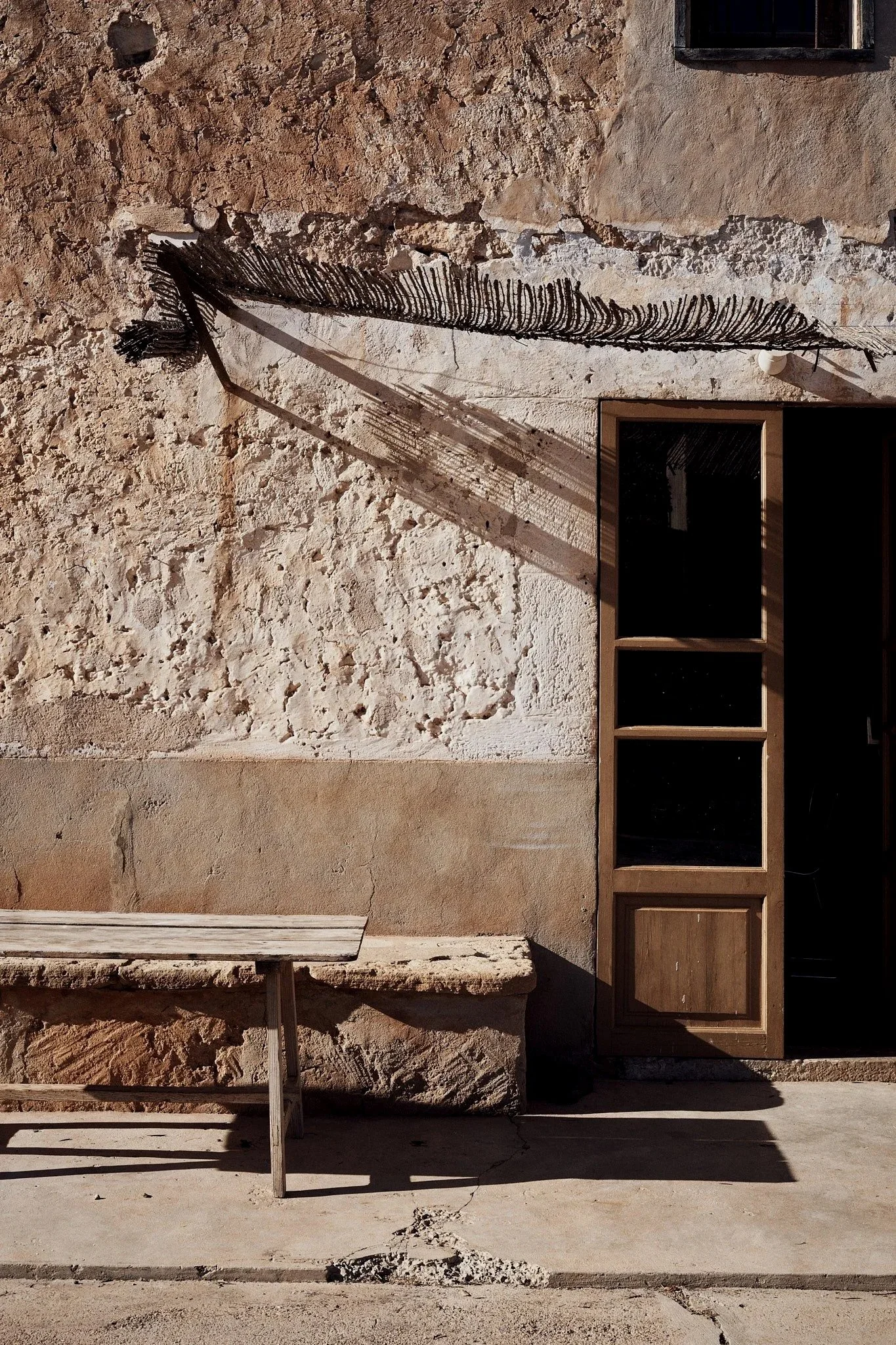
Translating the natural materials of her native Mallorca into wild and raw tapestries, multi-disciplinary artist Adriana Meunié imbues her work with a deep connection and appreciation for the land around her. Gathering and weaving together organic fibres such as wool, esparto and raffia, Meunié’s work is a dedication to preserving traditional practices and a celebration of her island home’s artisanal crafts.
Cleverly harnessing the beauty of nature, Meunié’s tapestries bring the textures and tones of the outside world in, transforming the spaces they occupy. While there is often a calming and mesmerising element to the pieces, they are usually equally as unsettling – a balance that Meunié describes as a ‘monstrous elegance’ and something she seeks to instil in every piece.